Reference

reference image prompt generator workflow for visual cues

This reference image prompt generator workflow shows how RefPrompt reads a visual reference as a set of usable design decisions: form, material, lighting, palette, composition, and constraints.

RefPrompt extracts the visual cues that matter: composition, material, light, palette, subject hierarchy, and constraints, then turns them into prompt language for different AI tools.

Reference imagePrompt extractionStyle cuesMaterials

What this workflow covers

Use this reference image prompt generator page when you need a reference image, extracted art direction, a still-image prompt, a video prompt, a Midjourney version, a Reference image version, and a focused negative prompt in one copy-ready workflow.

reference image to promptvisual reference promptprompt from reference imageAI reference prompt generatorimage style promptcomposition promptmaterial promptprompt extraction
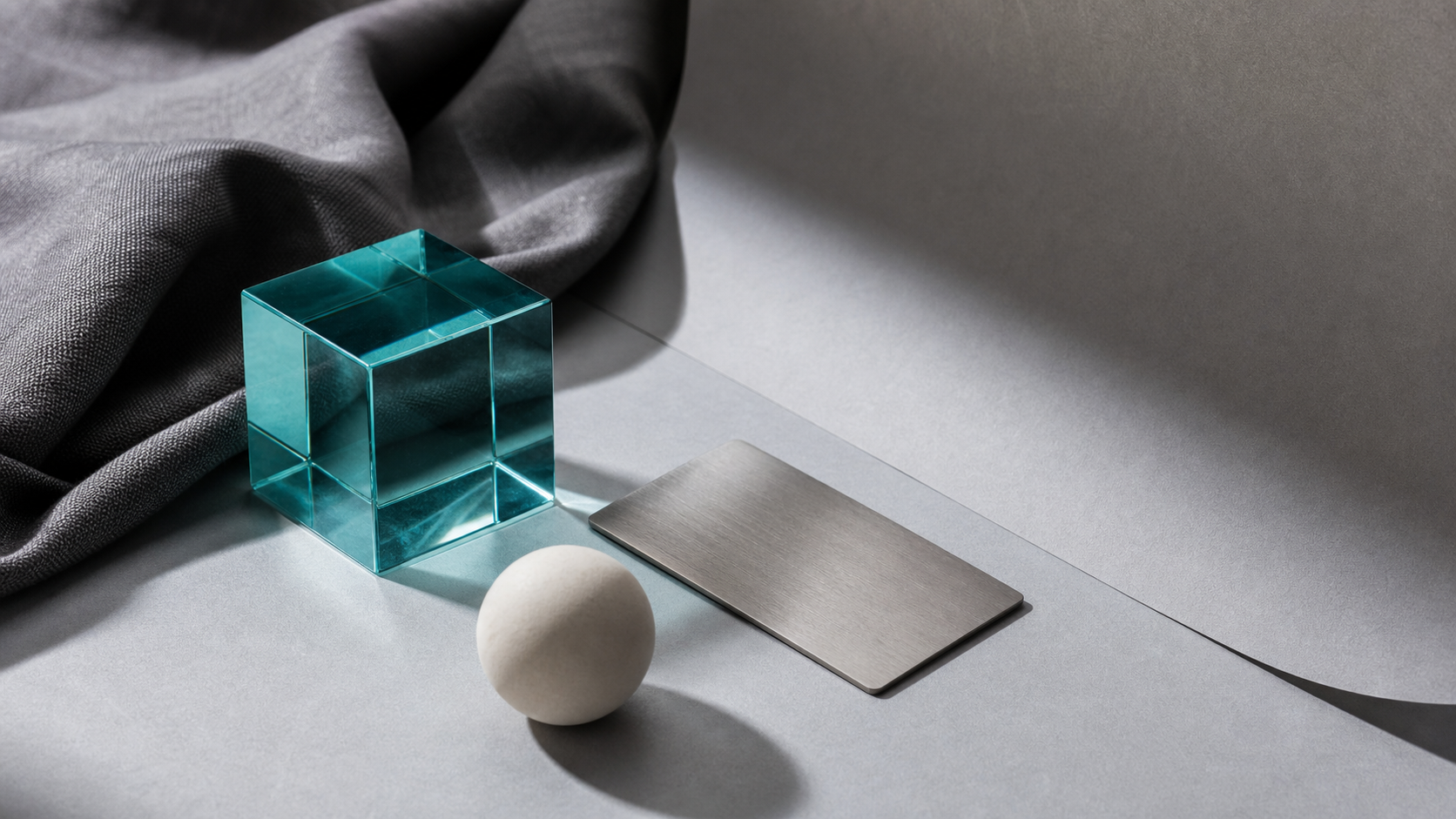
Generated design still life used for a reference image prompt generator workflow
Reference direction: cyan glass, graphite fabric, matte ceramic, brushed metal, soft paper, and clear material cues.

Style Breakdown

Style Breakdown for reference image prompt generator

The breakdown shows which parts of a reference image should become prompt fields instead of vague adjectives.

Composition
Asymmetric still-life placement creates hierarchy and negative space.
Material cues
Cyan glass, textile, ceramic, metal, and paper each need distinct language.
Light direction
Soft side light and controlled shadows make the prompt reproducible.
Adaptability
The reference can guide image, video, product, or design prompts.

Image Prompt

Image Prompt from reference cues

The image prompt converts visible cues into a reusable still-life direction.

Editorial still life with translucent cyan glass cube, folded graphite fabric, matte ceramic sphere, blank brushed steel rectangle, soft gray paper backdrop, asymmetric composition, soft side light, controlled shadows, material-study mood, no text, no logos.

Video Prompt

Video Prompt

The video version adds subtle material motion.

Create a 5-second material-study video. The camera performs a slow lateral drift across the cyan glass cube, ceramic sphere, graphite fabric, and brushed metal rectangle. Keep all objects still, preserve reflections and shadows, and let only the camera move subtly.

Midjourney Version

Midjourney Version

Midjourney gets compact reference language.

editorial material still life, cyan glass cube, graphite fabric, matte ceramic sphere, brushed metal rectangle, gray paper backdrop, soft side light, asymmetric composition --ar 16:9 --style raw --v 6

Reference image Version

Reference Image Version

This version names the reference cues directly.

Use the reference as visual direction. Preserve the asymmetric composition, cyan glass refraction, graphite fabric texture, matte ceramic surface, brushed metal detail, soft side light, and clean paper backdrop. Avoid text, logos, extra objects, harsh reflections, and warm palette drift.

Result & Limits

Reference image prompt result for a material still life

The reference is useful because every object contributes a promptable cue: glass refraction, fabric texture, matte ceramic, brushed metal, paper grain, and controlled side light.

Generated reference image still life result from a prompt generator case study
Generated result: a clean reference still life with cyan glass, graphite fabric, ceramic sphere, brushed metal, and soft side light.

Prompt used in this case

The prompt turns the still life into structured art direction with object list, materials, palette, light direction, composition, and negative constraints.

Result read

The generated result is strong for reference extraction because it is visually simple but materially specific. The main risk is generic abstract styling, so the prompt names each material and surface behavior.

What worked

  • Each material has a clear visual role.
  • The composition has enough negative space for layout adaptation.
  • The scene is generic enough to adapt but specific enough to prompt from.

Errors and limitations

Too abstract
Reference prompts can become vague if they only say mood. Name materials and composition.
Material drift
Glass, ceramic, fabric, and metal need separate treatment.
Unwanted text
Reference still lifes should avoid readable marks unless text is intentionally part of the brief.

Negative Prompt

Negative Prompt

Protect the reference from generic artifacts.

fake text, labels, logos, cluttered props, warped cube, plastic ceramic, low-resolution fabric, harsh glare, muddy shadows, extra objects, warm beige dominance, noisy paper texture.

CTA

Reference in, structured prompts out.

Use the same page structure inside RefPrompt: start from a visual reference, then copy the prompt version that fits the tool and channel.

Try this workflow with RefPrompt.

Frequently asked questions about reference image prompt generator

What is a reference image prompt generator?

It converts visible cues from a reference image into prompt language: composition, lighting, materials, palette, subject hierarchy, and constraints.

Why structure reference prompts?

Structure keeps the parts visible, so you can adapt the same reference for different image and video tools.

Can this workflow work with abstract references?

Yes, as long as the prompt names concrete visual cues such as material, light, composition, and palette.

Related prompt workflows

Image-to-prompt generatorAll prompt workflowsSeedream 5.0 ProSeedance 2 generatorKling prompt generatorMidjourney prompt from imageAI product ad promptsperfume ad promptssneaker campaign promptsRunway video prompt generatorimage to prompt generatorChatGPT image prompt generatorAI video prompt generatorVeo prompt generatornegative prompt generatorimage to video prompt generatorproduct video prompt generatorPika prompt generatorprompt template generatorvideo to prompt generatorMP4 to prompt generatorshot by shot prompt generatorcamera movement prompt generatorvideo storyboard prompt generator